Hospitals on FHIR User Days 2026 Unites Global Implementers in Pisa
An overview and takeaway messages
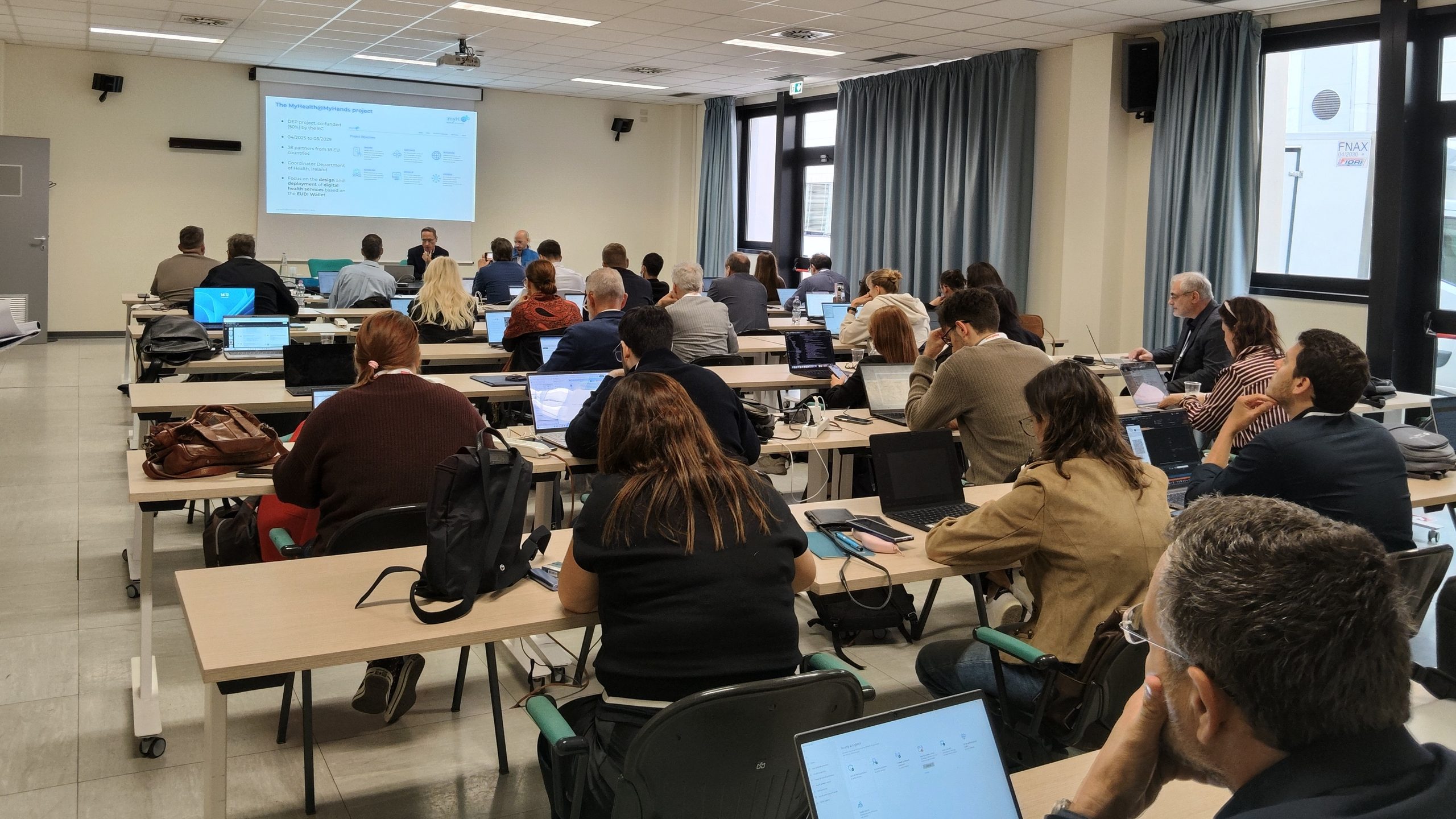
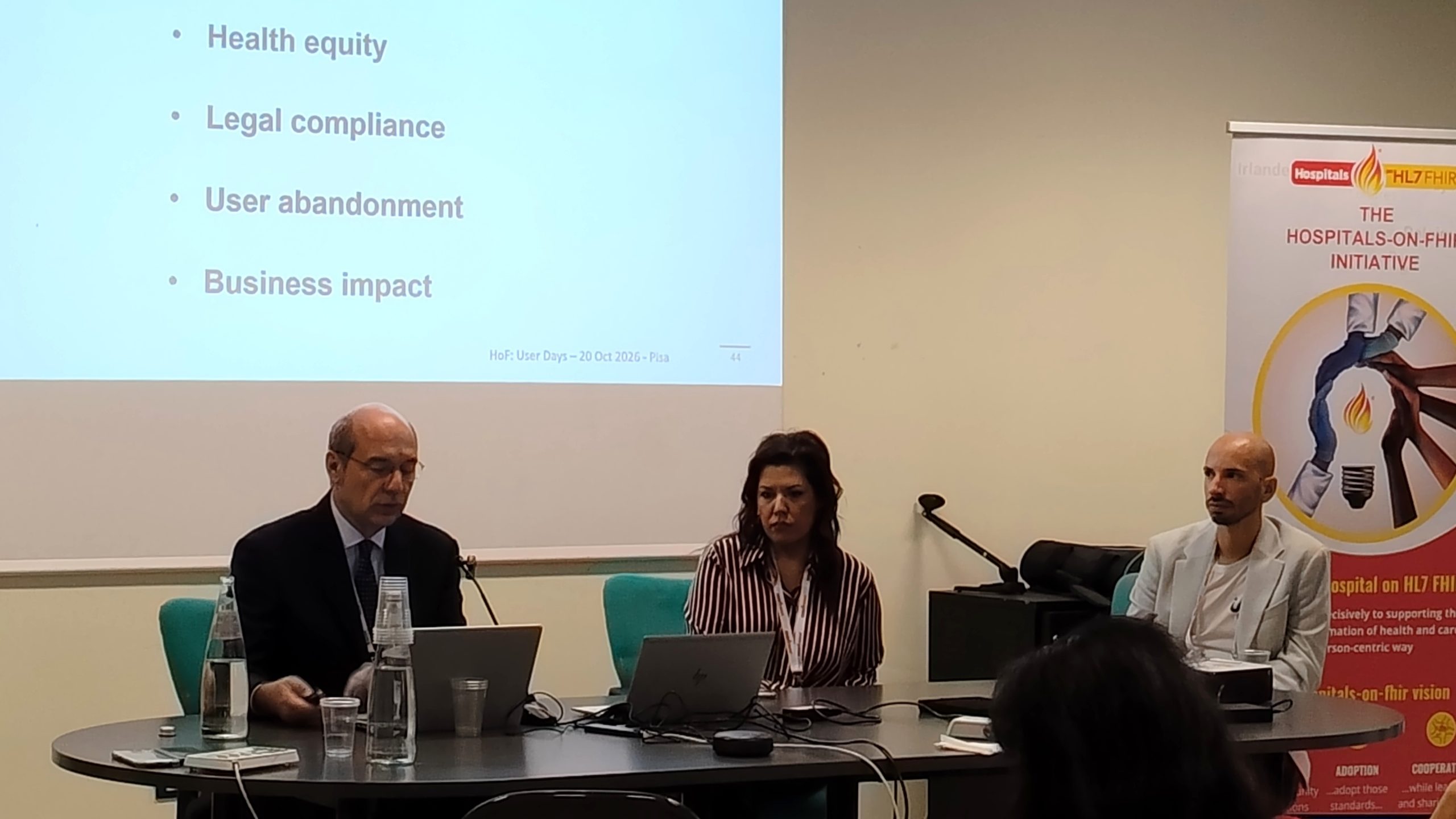
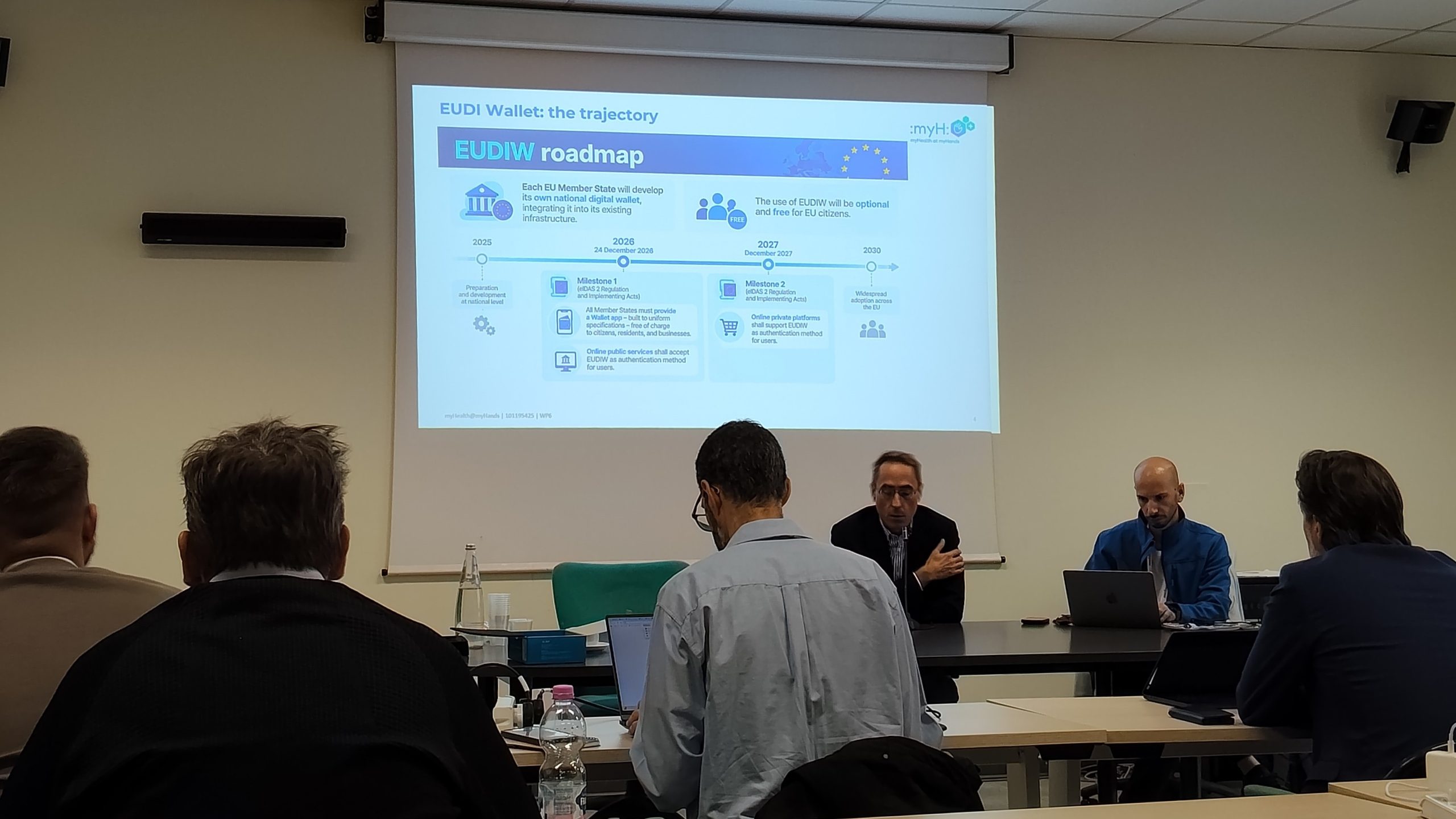
Last month, i2X participated in the 4th edition of Hospitals on FHIR (HoF) User Days, held from October 19–21, 2026, at Fondazione Monasterio Hospital in Pisa, Italy, an event that brought together healthcare leaders, clinical champions, enterprise architects, and software innovators. The conference was co-organised by FTGM and HL7 Europe, marking an important milestone; moving FHIR from standard specification into operational clinical reality across European and global hospital networks.
Over three buzzing with activity days, the gathering demonstrated how hospitals are actively taking the driver’s seat in interoperability, transforming regulatory mandates into scalable clinical workflows and data-driven care.
A Thriving, International Hospital Network
The scale of this year’s User Days reflects the rapid acceleration of FHIR adoption within hospital wards:
- 150 registrants from 19 nations, from Europe, North America, and Asia participated in the event.
- A growing community is in place, that now represents over 140 hospitals and healthcare provider organisations, supported by 22 health IT solution providers.
- A vibrant network of National Ambassadors represent a plethora of countries including France, Germany, Belgium, Portugal, Italy, Lithuania, Norway, Ireland, Spain, Poland, and Slovakia leading cross-border knowledge transfer and grassroots hospital onboarding.
The message from Pisa:
Interoperability is no longer a theoretical debate; it is an urgent operational requirement for patient safety, workforce efficiency, and collaborative research.
Tackling Regulations, Cyber Resilience, and AI
The conference agenda blended strategic policy with deep engineering insights:
- Navigating the European Health Data Space (EHDS): European Commission SANTE and HL7 Europe leaders detailed the March 2027 technical specs and hospital baseline obligations under the FHIR-based EEHRxF.
- Towards a more Solid Compliance & Infrastructure: Experts analyzed how NIS2 and the Cyber Resilience Act (CRA) impact hospital cybersecurity for cross-border data flows, marked by the launch of a new HoF Working Group.
- Real-World Clinical Workflows: Frontline teams demonstrated live FHIR implementations, including Belgian home care (KUL Hospital), Italian telerehabilitation (Monasterio), and modular oncology pipelines (IRCCS-IRST and CHRU Nancy).
- AI on FHIR: Presenters showcased AI integrations using SDC, knowledge graphs, and clinical language models to streamline documentation, supported by a newly launched HoF Working Group.
i2X Project Contribution
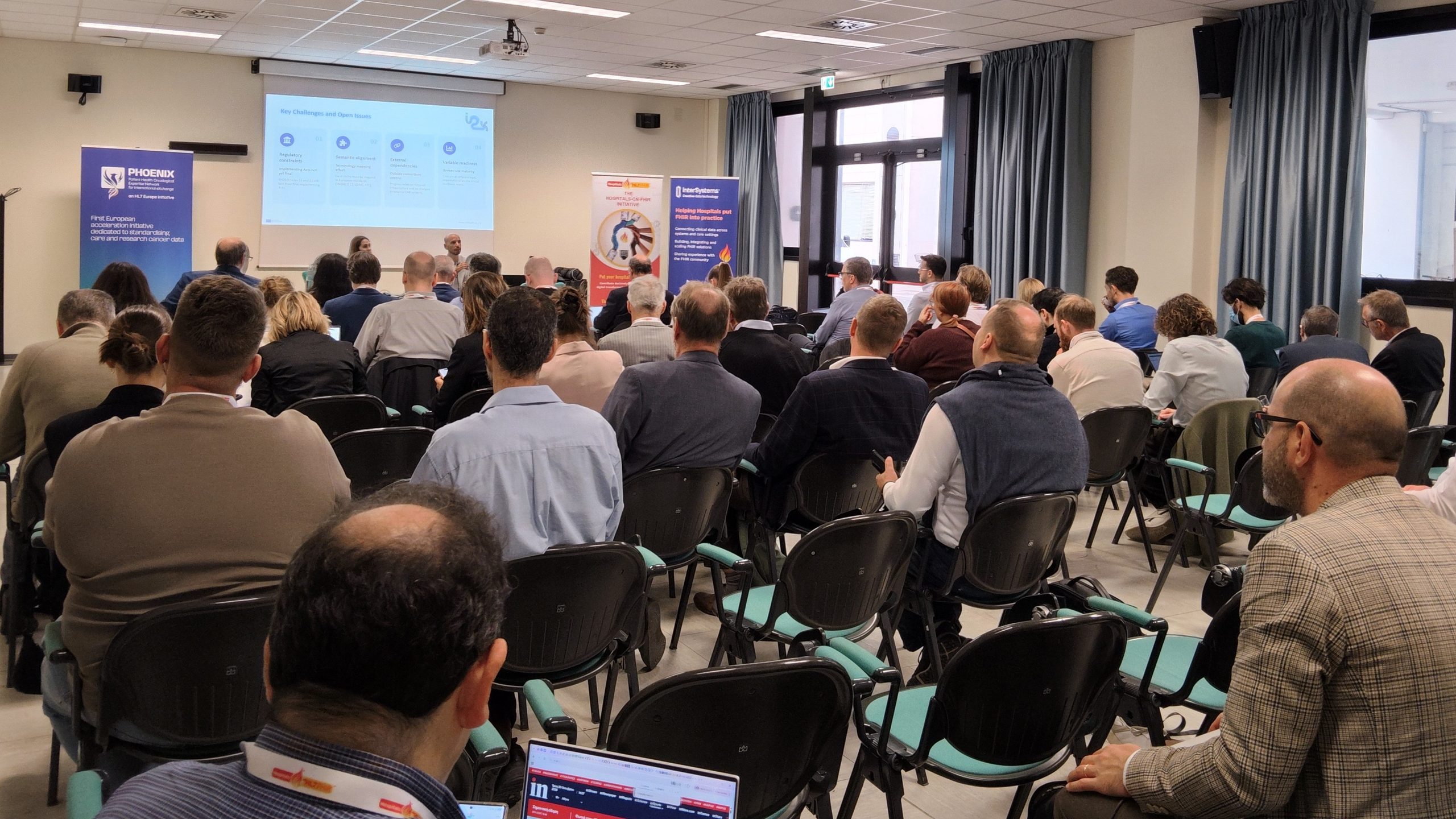
In addition to the i2X-a-thon —a major testing event for the project— i2X also held a session within HoF User Days titled “Applied Ecosystems – i2X in Action: EEHRxF Implementation Guides, UI Ergonomics, and Connexions”, that provided an update on operations, showcased implementations of the EEHRxF, and examined critically how back-end FHIR structures impact front-end user experience and UI ergonomics.
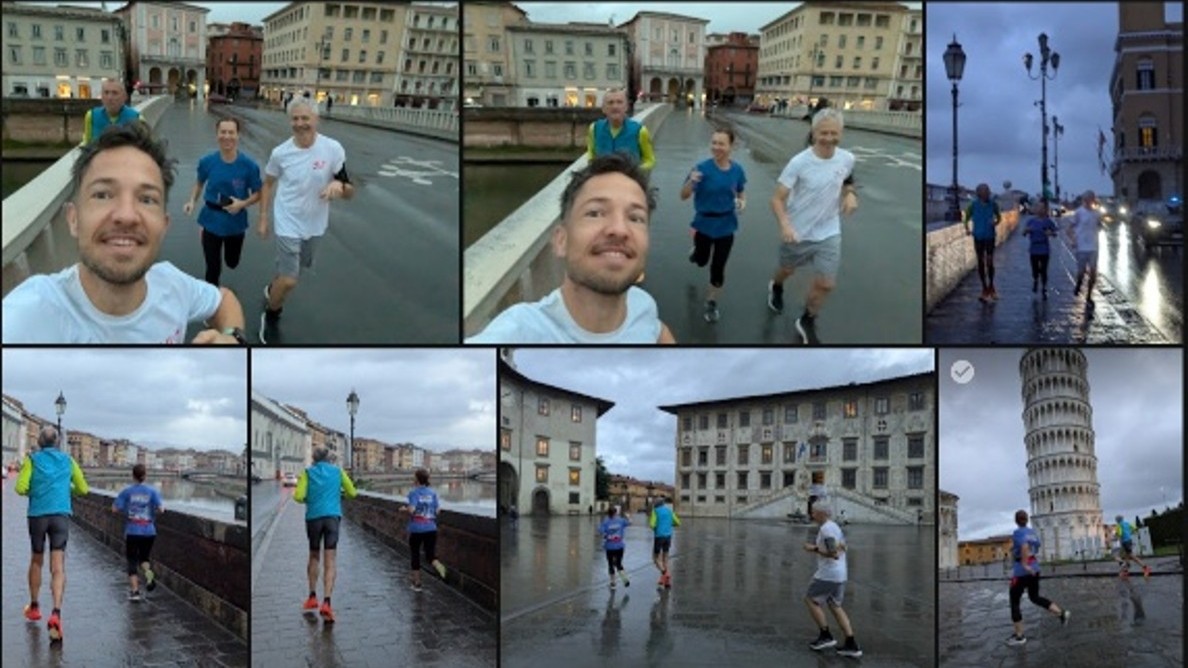
Beyond the technical sessions, the community connected during evening discussions in the social events and laced up early on Wednesday morning for the 5 km “FHIR Your Heart” Interoperability Run through Pisa’s historic streets.
The concept behind HoF User Days is that no single hospital, EHR vendor, or health authority has all the answers in isolation. By sharing our reference architectures, production challenges, and implementation guides openly, we ensure that every healthcare institution—regardless of its current digital maturity—has a direct pathway into the future of connected care.